 1 / 5
1 / 5
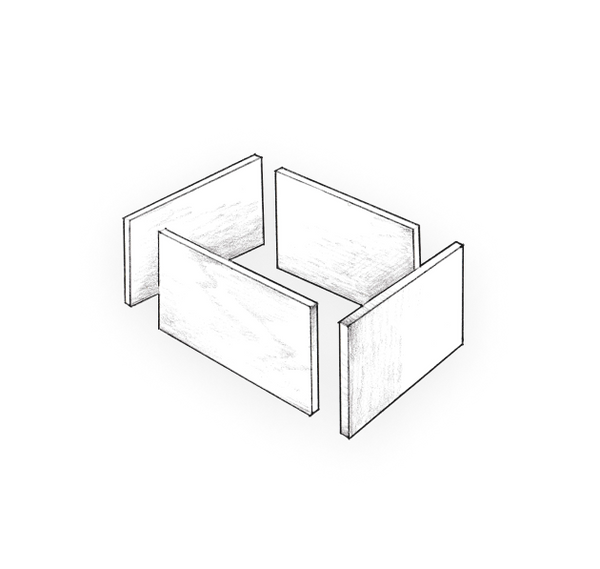
CUTTING
The Kiri material is cut into pieces of custom dimensions after a thorough examination of its quality.
01 / 05
Chowa Boxes are handcrafted in Kiri-Bako style, a wooden box making practice with over 300 years of history in Japan. Kiri-Bako (Paulownia box) was developed using leftover materials from Paulownia chests. These boxes have long been used in Japan as a way to store precious items such as ancient ceramic equipments for tea ceremony.
02 / 05
The Chowa Box is made in partnership with Akebono Kougei, a historical Kiri-Bako box manufacturer from Fukuyama, Japan. This region has over 300 years of expertise in this craft. Their collaboration has resulted in the utmost quality for Chowa Boxes.
1 / 5
The Kiri material is cut into pieces of custom dimensions after a thorough examination of its quality.
 2 / 5
2 / 5
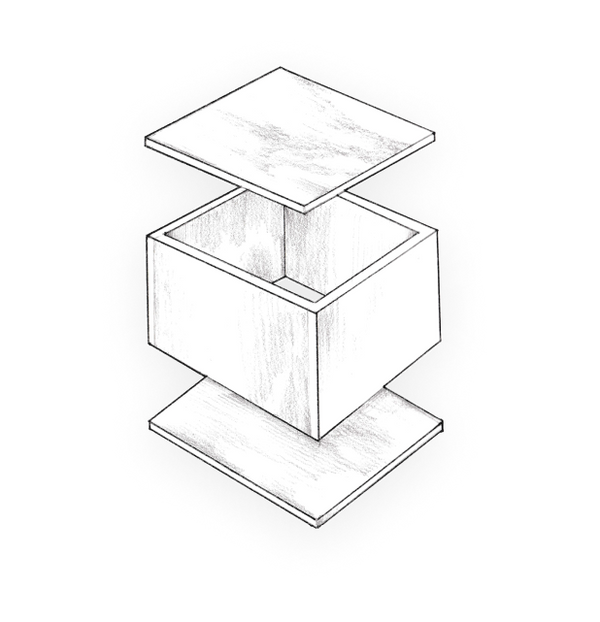
The four walls are carefully glued by hand. The top and bottom pieces are then added to create a cubic form.
 3 / 5
3 / 5
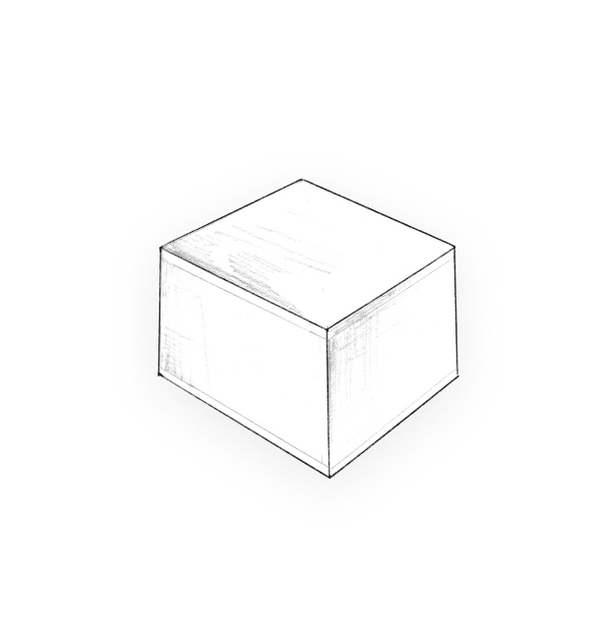
This cubic form is compressed with a heavy weight machine to ensure the structure's robustness.
 4 / 5
4 / 5
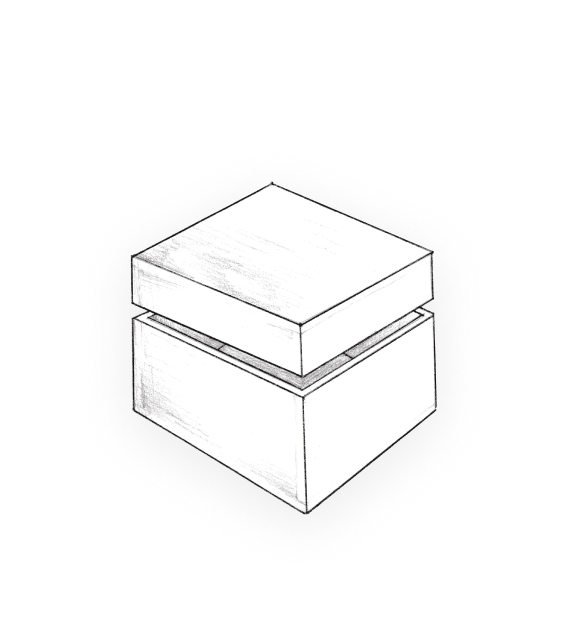
The cubic form is eventually cut into a base and a lid. Achieving a perfect fit with a skilled technique.
 5 / 5
5 / 5
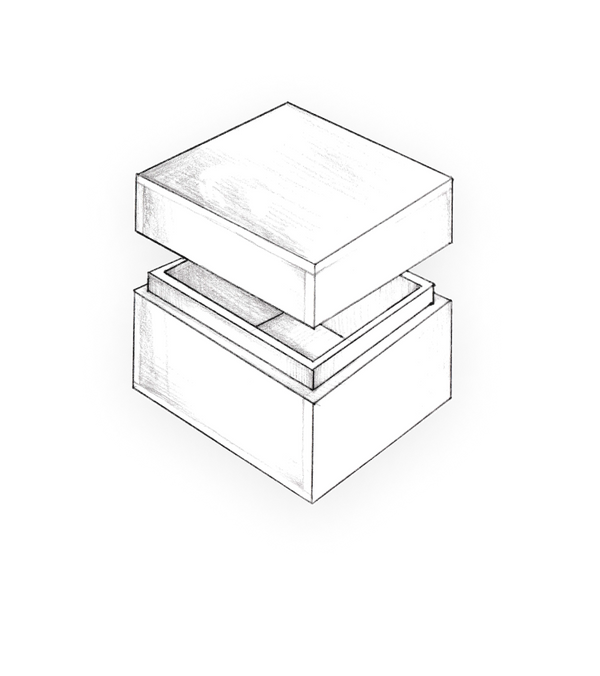
The internal rim, known as "Yaro", is carefully added to ensure the lid fits with the perfect amount of friction.
Tap or swipe
03 / 05

Chowa Box seals itself and regulates the humidity inside, making it a perfect container for humidity-sensitive materials.

Kiri’s high thermal conductivity causes it to carbonize the surface upon ignition, which protects the contents.

Kiri belongs to the grass family. It has a luxurious appearance and is also extremely lightweight and robust.

Controlling humidity also results in high resistance to corrosion. The Chowa box maintains durability for decades.

For hundreds of years, the Chowa Box has been used to store kimonos and silk fabrics, protecting them from insects.

Due to its low moisture content, Kiri wood is less prone to shrinking than other woods, and it maintains a consistent structure.
Similar to an iPhone packaging box, the Chowa box offers a gratifying delay as the perfectly fitted lid gently opens. The iPhone has a patented feature called “Air Pocket Packaging” for their boxes, which uses CONTROLLED FRICTION to enhance the unboxing experience. The Chowa box, handcrafted by artisans, has this attribute naturally since its invention, centuries ago. This feature of Chowa Box enhances the luxury packaging to make unboxing more exciting, all while maintaining the use of sustainable material.

04 / 05
The CHOWA BOX is entirely made out of Kiri: Paulownia, a tree that belongs to the grass family. It grows faster than any hardwood timber trees in the world, making it a sustainable choice for box production. The culture and tradition surrounding this box-making practice are also very mindful of the environment.
05 / 05
CHOWA offers comprehensive creative service from brainstorming the ideas, developing prototypes and finalizing the design fully costumed for the packaging collaboration. We apply our design knowledge to Chowa Box with profound understanding in traditional values and essence around the handicraft of Kiri-bako.
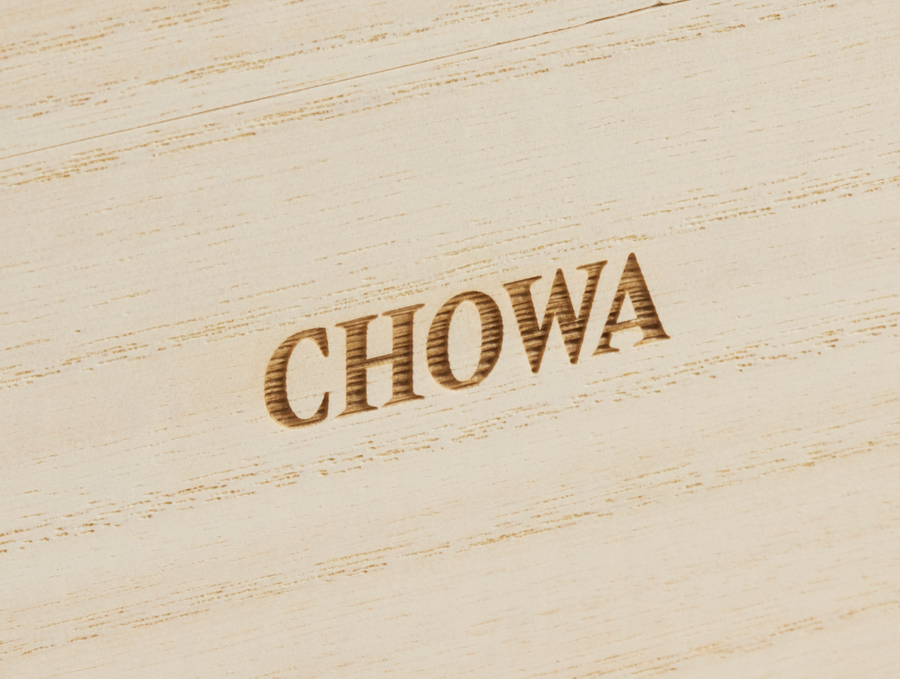
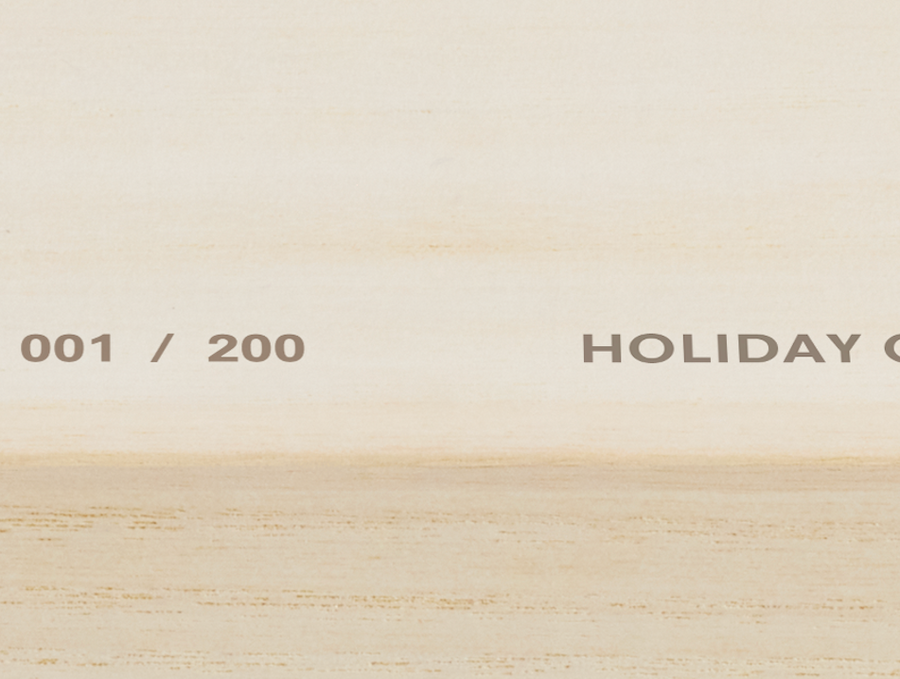
Togeibako style is a premium box construction traditionally used to store valuable tea bowls and related objects. It features Sanada ribbons and a bottom structure called Ashi, or legs, which helps secure and position the ribbons while adding a distinctive, formal character to the box overall.

Inro-style lid structure places the internal rim on the box base, allowing a simple lid to fit neatly over it. This popular construction creates a close, protective seal around the contents while keeping the overall form understated and elegant for traditional wooden storage and presentation.

For taller boxes, attaching the internal rim to the lid can provide a more accurate fit than building a large rib inside the base. The lid then aligns directly with the box walls, creating a precise closure while reducing fitting difficulties caused by greater box height.

Kabuse lid structure is a simple telescope-style lid that fits over the top of the box base. It is commonly used for flatter, wider boxes, where a fitted internal rim can become difficult to produce accurately across a larger surface while maintaining a clean, dependable fit.

Shihozan lid structure features an internal rim attached beneath a flat, one-piece lid, allowing the lid to register precisely with the box. Used for centuries in tea-ceremony storage, this traditional construction offers a refined fit and is especially associated with carefully made wooden presentation boxes today.

Sanada Ribbon (Sanada-Himo) is a traditional ribbon that has been used in Japan for over 400 years. Invented by Samurai merchant Masayuki Sanada, Sanada Himo became popular for its durability, tying armour during the Sengoku Era in Japan.

18レトロ金
Retro, Gold

17レトロ緑
Retro, Green

16金茶
Kincha

15遠州・紫
Enshu, Murasaki

14遠州・青紺
Enshu, Aokon

13紺に茶耳
Kon, Chamimi

12金茶に白筋
Kincha, Shirosuji

11遠州柄・白茶
Enshu, Shirocha

10遠州柄・紺
Enshu, Kon

09青十字
Aojuji

08格子・青紺
Kosi, Aokon

07遠州・朱
Enshu, Shu

06市松・朱
Ichimatsu, Shu

05遠州・よもぎ
Enshu, Yomogi

04市松・よもぎ
Ichimatsu, Yomogi

03よもぎ
Yomogi

02こげ茶
Kogecha

01古代紫
KodaiMurasaki

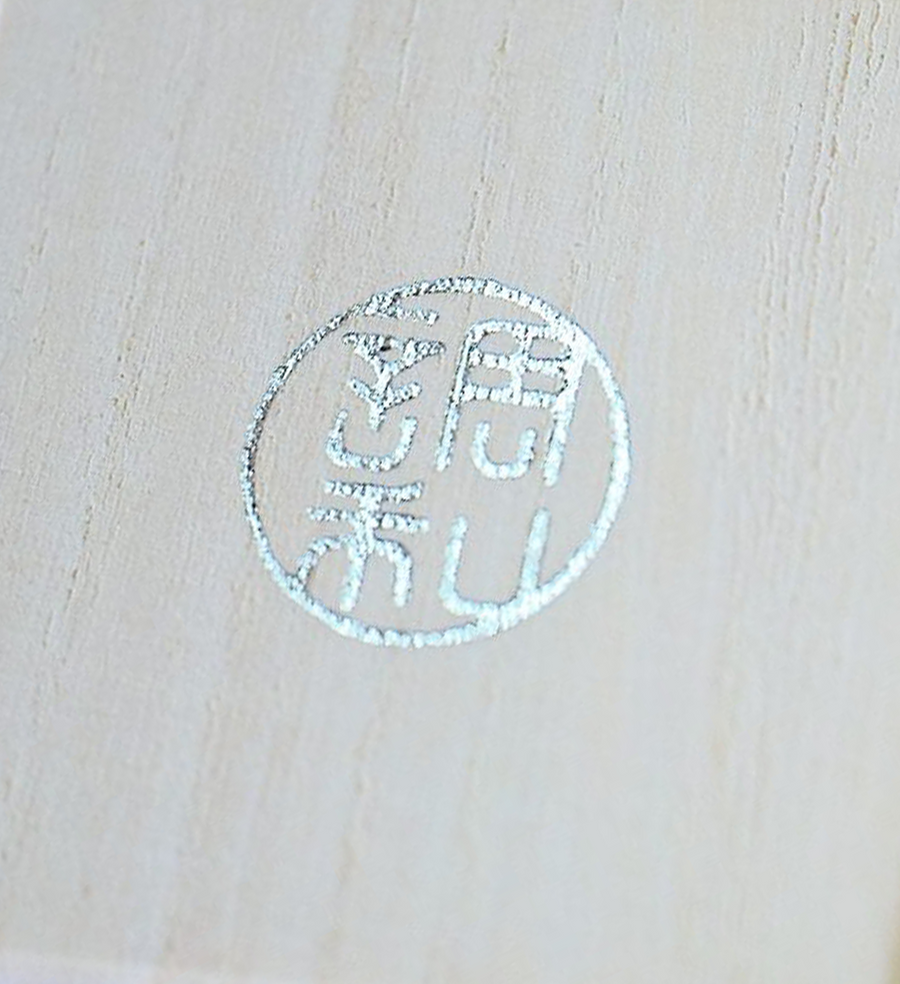
Chowa’s premium line boxes have authenticity sticker.
Made to order · Nothing is bought here
Design your own box in about a minute, and leave with an estimate you can keep.
Start your boxPlanning a space rather than a box? Tell us about the project


