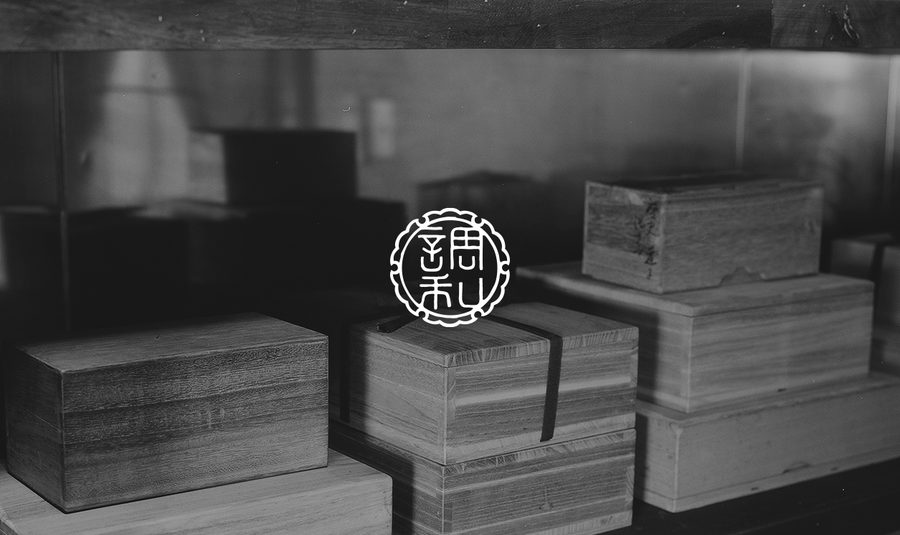
Chowa Library invites you to experience the authentic harmony between Japan and New York. It’s an appointment-only cultural center with a retail store showcasing our box products, furniture, books, and antique objects.

Chowa Library Entryway
THE BIRTH OF
CHOWA LIBRARY
In a world increasingly driven by attention, the things that matter most are often the easiest to overlook.
Chowa is built around a simple belief: Japanese culture contains timeless ideas that remain deeply relevant today. Rather than preserving these ideas as artifacts of the past, we seek to present them through a modern lens inspired by the creative ideas of New York City.
Photo by Adrian Gaut
The symbol of this philosophy is the Kiribako Box.
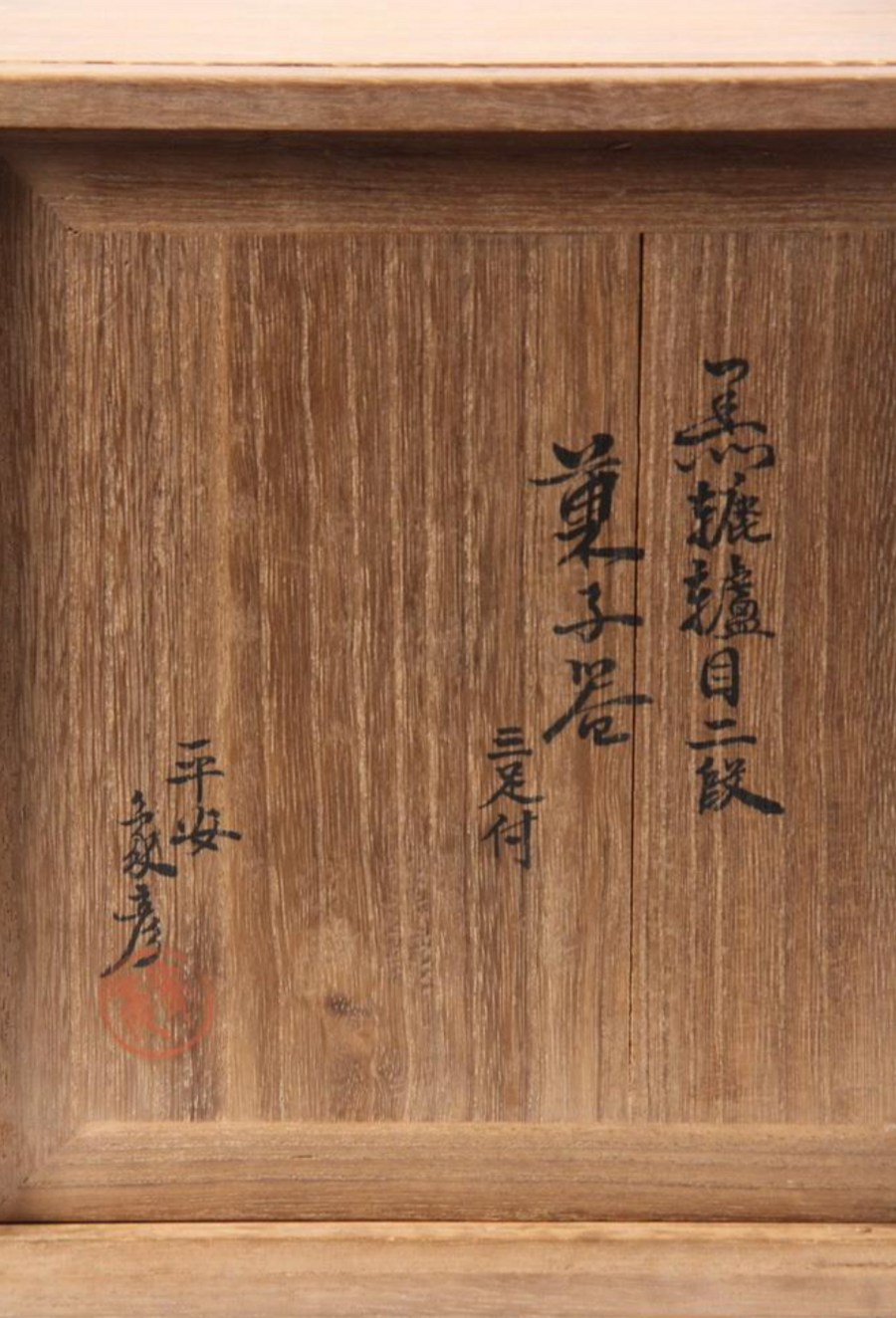
For more than 300 years, Kiribako boxes have quietly protected some of Japan's most treasured objects. They are rarely the center of attention. Instead, they exist in service of something else. Yet within this humble role are layers of wisdom: respect for materials, care for what is inside, humility in design, and an understanding that true value does not need to announce itself.
This way of thinking became the foundation of Chowa.
Chowa is in the business of celebrating the overlooked excellence.
Our priority begins with concept and story. From there comes aesthetic and design language. Products and boxes follow. The name and logo come last.
Chowa Library was created as a physical expression of this philosophy.

Photo by Adrian Gaut
Located in Brooklyn, New York, it is a cultural space where we share Japanese craftsmanship, books, objects, tea, and ideas. More than a library, shop, or gallery, it is a place designed for slower observation and deeper engagement.
Every element of the space was created with intention. From the genkan where visitors remove their shoes to the circular window, Kamidana, wooden shelves, Kumbuk floor, mezzanine, small door, textured walls, and Noren, each detail carries a story connected to Japanese culture and the values that inspire Chowa.

Photo by Adrian Gaut
Most visits to Chowa Library take place as guided tours. Rather than simply viewing the space, visitors are introduced to the architectural inspirations, materials, and cultural ideas behind each element. To encourage a different pace of engagement, guests are asked to store their phones in a locker before entering.

Chowa Library Policy at the entrance
The library is intentionally maintained as a technology-free environment. This reflects one of our core beliefs: when we are fully present in the moment, we are able to form a meaningful connection with the space, its atmosphere and craft.
Small lockers are available at the admissions office for electronic devices before entering the library.
Yes, we have asked celebrities and influencers to put away their phones as well. When someone asks, “Don’t you want me to promote it?” our answer is simple: “We have a different mission.”
At Chowa, we want people to feel the space, not simply see it reduced to a 5.8-inch screen of thousands of tiny blinking lights.

Our story was introduced on T: The New York Times Style magazine
CHOWA LIBRARY EVENTS
Throughout the year, Chowa Library hosts gatherings with partners who share similar values around culture, craftsmanship, and thoughtful exchange. Our technology-free policy remains in place during events. Professional photography may be permitted, but guests are asked to keep their personal devices stored away so they can fully participate in the experience and the conversations taking place around them.

From an event
UNIQLO X CHOWA LIBRARY
In partnership with UNIQLO and Fast Retailing Global Creative Lab, Chowa Library hosted A Night with Genji, an intimate gathering celebrating "The Tale of Genji" and the enduring influence of Japanese literature.
The guest speakers are some of New York’s most visionary women creatives: pioneering multimedia artists Joan Jonas and Mariko Mori, AD100 Hall of Fame architect Toshiko Mori, and Tony Award-winning director Diane Paulus. The program was moderated by Professor Melissa McCormick, Chair of East Asian Languages and Civilizations at Harvard University and curator of The Met’s acclaimed 2019 exhibition The Tale of Genji: A Japanese Classic Illuminated.

Guest Speakers from the event
ERIC MCNEAL X CHOWA LIBRARY
Chowa Library also hosted the launch of When The Scaffolding Falls, a limited-edition zine by Eric J. McNeal in collaboration with Black Mass Publishing.

Photo from the event
1/5 DESIGN: Genkan
The Genkan marks the transition from the outside world into Chowa Library. By asking visitors to remove their shoes, the space immediately slows the body down, creating a sense of intimacy, respect, and presence.

Photo by Kisshomaru Shimamura
The raw wood beam at the center of the Genkan area was generously gifted by the Raymond family. It is one of the materials once used by the late Antonin Raymond in his architectural projects. We are deeply grateful to Charlotte Raymond for this kind gift, which stands as a symbol of admiration and respect for the work of Antonin and Noémi Raymond. Their work so beautifully captured the nuanced harmony between Japanese aesthetics and modernist design.

Photo by Adrian Gaut
2/5 DESIGN: KAMIDANA
The Kamidana brings a quiet sense of dignity to the space. Paired with a rosewood log inspired by Shinboku, it reflects the spiritual presence and protective energy found in traditional Japanese spaces.

Photo by Adrian Gaut
3/5 DESIGN: SHELVES
The shelves are the main structure of Chowa Library. Repeated 56 times in reference to 56 Bogart Street, they create rhythm while displaying books, boxes, objects, and works by artisans.

Photo by Adrian Gaut
4/5 DESIGN: SMALL DOOR
Inspired by the Nijiri-guchi found in Japanese tea houses and the spirit of Sukiya-zukuri architecture, the small door asks the body to lower itself. It turns humility into an architectural gesture, reminding visitors that inside Chowa Library, everyone is equal and connected through the culture of craft.

Photo by Yuto Kudo
5/5 DESIGN: KUMBUK FLOOR
Raised five inches above the concrete floor, the Kumbuk floor creates a clear shift from the outside environment into the world of Chowa Library. Because visitors remove their shoes, the floor is experienced not only visually, but physically.

Photo of the Kumbuk Floor
from contradiction, the Japanese aesthetics meeting Western branding and communication, and together, finding 調和 - Chowa.
-------------------------------
Spacial Thanks to Adrian Gaut for the beautiful photos.
Written by Ray Suzuki,
in honor of the artisans who carry forward
the centuries-old craft of Kiribako box making in Japan.

---------------------------------------
2024 @ into inc. All Rights Reserved.
---------------------------------------
Architectural Design: Ray Suzuki, Yudai Kanayama (Chowa)
Construction: Serious Construction Company
Year of completion: 2024
Photography: Adrian Gaut